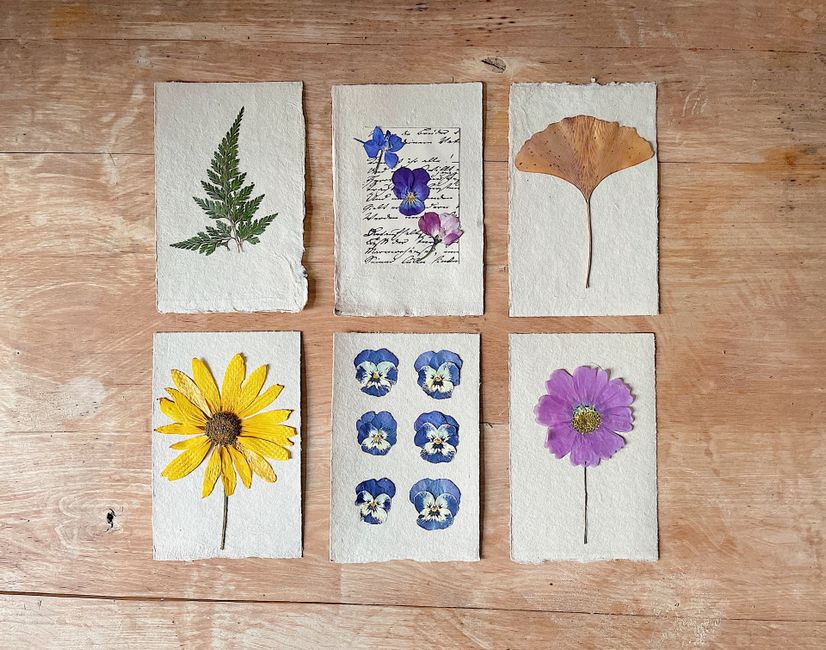
Discover detailed herbarium cards with pressed flowers on a rustic wooden table, showcasing botanical art.

Expertise

Discover the depth of knowledge in botanical history, from archival research to field expedition documentation.

What Archival Research in Botanical History Involves

Archival research in botanical history examines primary materials such as correspondence, field notebooks, garden records, and herbarium labels. These sources document plant collection, identification, and the establishment of botanical gardens and expeditions. Research often involves consulting institutional archives, private papers, and digitised collections. By studying these records, historians trace the development of botanical knowledge, including shifts in taxonomy and the movement of specimens. The scope extends to understanding how documentation practices shaped the scientific record. The significance lies in preserving diverse evidence that informs interpretations of botanical history.


A vintage card catalog drawer in an archive library setting, highlighting organization and history.

Perspectives on Botanical Documentation

  • Dr. Eleanor Whitfield

    Archival records often reveal how early botanists selected and preserved specimens, though interpretation depends on surviving annotations and their original context.
  • Thomas Green

    Field expedition notes capture plant characteristics and locations, but researchers must consider varying documentation practices and environmental conditions across different periods.
  • Dr. Priya Patel

    Comparing archival records with herbarium specimens allows historians to trace changes in botanical methodology, without implying a single definitive narrative.

Documenting Fieldwork: Materials and Methods

Field expedition documentation refers to the systematic recording of observations and specimens during botanical collecting trips. This practice typically involves creating field notebooks, label drafts, and associated lists or maps. Records may include collection dates, localities, habitat descriptions, and preliminary identifications. Morphological notes, phenological observations, and specimen numbers are often noted to link physical samples to their original contexts. Such materials later serve as primary evidence when specimens are incorporated into herbaria. Archival research then draws on these records to reconstruct collecting routes and practices, examine nomenclature and provenance, and understand historical collecting networks. Expeditions connect to archives through correspondence, permits, and photographs that supplement field documents. This process-oriented documentation supports ongoing botanical and historical inquiry without predetermining interpretive outcomes.

Close-up of an aged handwritten journal with focus on ink and texture.

The Documentation Sequence in Botanical History

  1. Field Observation

    Plant specimens are observed in their natural habitats, noting visible features and environmental conditions.

  2. Field Recording

    Data such as location, date, and collector details are recorded to create linked documentation.

  3. SpecimenPreparation and Preservation Management

    Collected plant material undergoes drying, pressing, and mounting methods before inclusion in a herbarium.

  4. Archiving

    Specimens and records are organised into accessible systems under cataloguing and storage standards.