Alexander von Humboldt and Plant Geography in the Americas
Alexander von Humboldt’s expeditions to the Americas between 1799 and 1804 marked a turning point in the study of plant distribution. His observations and systematic recordings laid the foundation for plant geography, a field that examines how and why plants are distributed across the Earth’s surface. Humboldt’s approach combined meticulous data collection with theoretical insights, influencing generations of naturalists and shaping modern biogeography.
During his travels through South America, Mexico, and Cuba, Humboldt documented thousands of plant species, noting their locations, altitudes, and environmental conditions. He was among the first to recognize that plant distribution follows patterns related to climate, latitude, and elevation. His work emphasised the interconnectedness of living organisms and their physical environment, a concept that became central to ecological and geographical studies.
This article explores Humboldt’s contributions to plant geography, the methods he employed, and the lasting impact of his American expeditions. It also considers how his ideas were received and developed by later scientists, and why his legacy remains relevant in contemporary discussions of biodiversity and conservation.
Background and Context of Humboldt’s American Expeditions
Alexander von Humboldt was a Prussian naturalist and explorer with a deep interest in the natural world. In 1799, he embarked on a five-year journey through the Americas, accompanied by the French botanist Aimé Bonpland. Their expedition covered vast territories, from the Venezuelan coast to the Andes mountains and the Mexican plateau. Humboldt’s primary aim was to study the unity of nature, examining how geological, climatic, and biological factors interact.
The late eighteenth and early nineteenth centuries saw a surge in scientific exploration, as European powers sponsored voyages to collect specimens and map new territories. Humboldt’s expedition was distinct in its holistic approach; he did not merely collect plants but sought to understand their relationships with the environment. His background in geology and his familiarity with the works of earlier naturalists such as Carl Linnaeus informed his perspective. He was also influenced by Enlightenment ideas of systematic observation and comparative analysis.
Humboldt’s journey was arduous, involving travel through dense rainforests, scaling volcanic peaks, and navigating river systems. Despite the challenges, he maintained detailed journals, recording not only botanical data but also meteorological, geomagnetic, and ethnographic observations. This interdisciplinary method allowed him to draw connections between disparate phenomena, setting a precedent for integrated environmental science.
Key Observations and Methods in Plant Geography
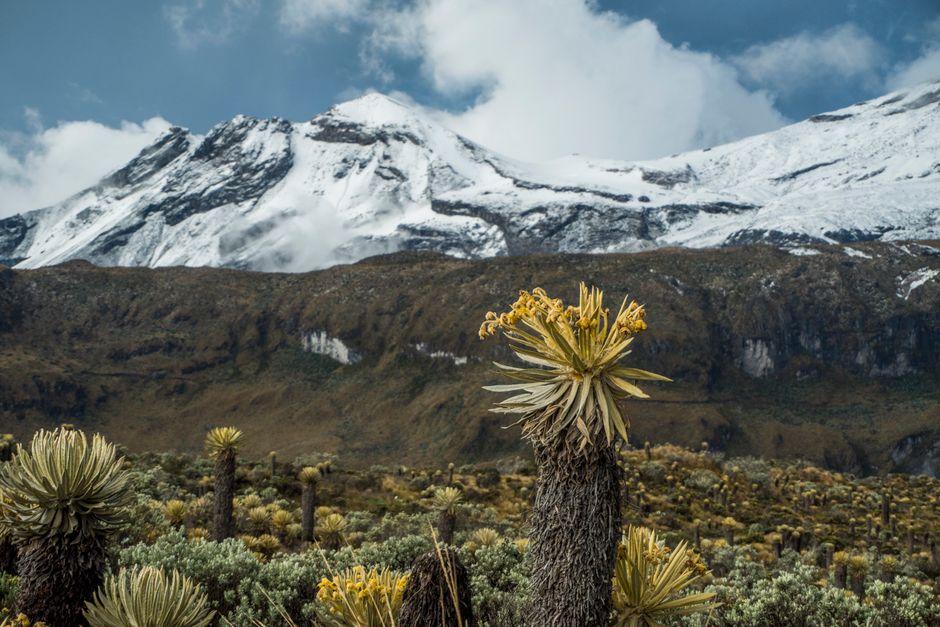
Humboldt’s plant geography was built on empirical observation and comparative analysis. He recorded the distribution of plants along vertical transects, noting how species changed with altitude. For example, in the Andes, he observed distinct vegetation zones, from tropical rainforests at lower elevations to alpine grasslands and bare rock at higher altitudes. He recognised that similar zonation patterns occurred on mountains in different parts of the world, suggesting common underlying causes.
To organise his findings, Humboldt used innovative graphical methods. He created the “Tableau Physique,” a diagram showing plant zones on Chimborazo, a peak in present-day Ecuador. This visual representation displayed the relationship between altitude, temperature, and vegetation types, making complex data accessible. Such tools were instrumental in communicating his ideas to a broader audience and in establishing plant geography as a visual science.
Humboldt also emphasised the importance of quantitative measurements. He used instruments to record temperature, atmospheric pressure, and humidity, correlating these data with plant distributions. By doing so, he moved beyond descriptive botany to a more analytical approach, seeking general laws governing plant distribution. His work highlighted the role of climate as a major determinant of where plants can grow, a principle that remains fundamental in biogeography.
In addition to altitude, Humboldt studied latitudinal gradients in plant distribution. He noted that tropical regions harboured greater species diversity than temperate zones, a pattern now known as the latitudinal diversity gradient. His observations contributed to early explanations for this phenomenon, such as the greater age and stability of tropical environments. These insights were based on extensive collecting and careful comparison of floras from different regions.
Influence on the Development of Biogeography
Humboldt’s work provided a foundation for the emerging field of biogeography. His concept of “isotherms”—lines connecting points with the same average temperature—helped explain why similar plant communities appear in distant regions with comparable climates. This idea influenced later scientists, including Charles Darwin and Alfred Russel Wallace, who further developed theories of species distribution and evolution.
Humboldt’s emphasis on the unity of nature encouraged a holistic view of the biosphere. He argued that plants, animals, and physical processes are interlinked, and that understanding any one component requires considering the whole system. This perspective anticipated modern ecosystem ecology and the study of biodiversity. His writings, such as “Personal Narrative” and “Kosmos,” reached a wide readership and popularised the study of plant geography.
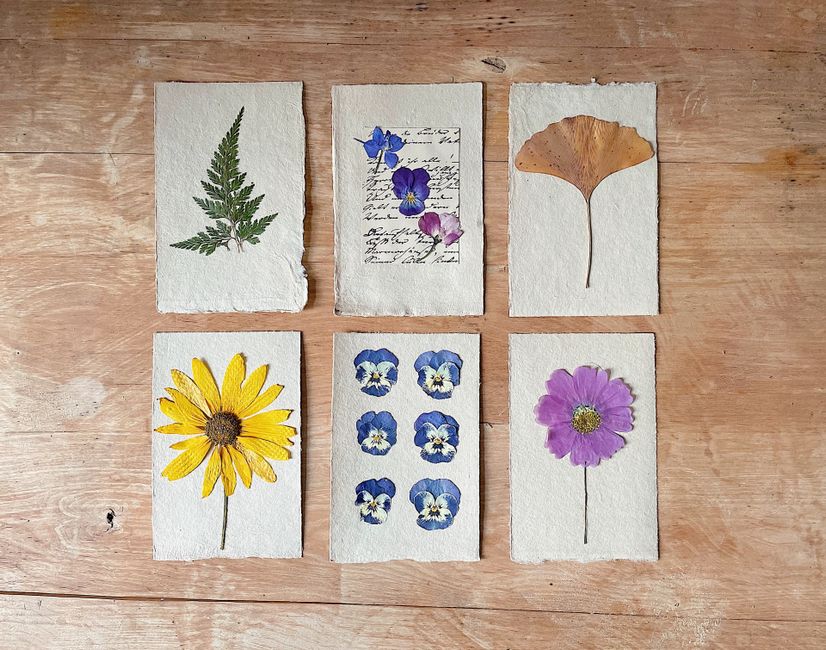
Moreover, Humboldt’s data and specimens, many of which were deposited in European herbaria, became valuable resources for subsequent researchers. Institutions like the Herbarium Tales have drawn on such historical collections to trace changes in plant distribution over time. By examining herbarium records, scientists can assess shifts in species ranges, phenology, and community composition, often linking these changes to environmental factors. Humboldt’s meticulous records thus continue to inform contemporary research.
The influence of Humboldt’s plant geography extended beyond botany. His methods of data visualisation and his integrated approach were adopted in other fields, such as climatology and geology. His concept of the “Naturgemälde”—a holistic depiction of nature—inspired artists and scientists alike. In the context of biogeography, his work paved the way for quantitative analyses and predictive modelling of species distributions.
Legacy and Contemporary Relevance
Today, Humboldt is celebrated as a pioneer of environmental science. His insights into plant distribution are echoed in modern ecological research, particularly in studies of climate change impacts on biodiversity. The patterns he described, such as altitudinal and latitudinal gradients, are now central to understanding how species might respond to shifting climates. His emphasis on long-term observation and data collection remains a cornerstone of ecological monitoring.
Humboldt’s legacy also lies in his advocacy for the interconnectedness of nature and society. He warned about the consequences of deforestation and human-induced environmental change, recognising the fragility of ecosystems. These concerns are more relevant than ever, as scientists and policymakers grapple with biodiversity loss and habitat degradation. His call for a holistic understanding of nature resonates in contemporary discussions of sustainability.
In the United Kingdom, Humboldt’s work is remembered through various scientific societies and collections. The Herbarium Tales, for instance, may hold specimens or documents that reflect his influence, serving as a reminder of the enduring value of natural history collections. Such archives allow researchers to verify historical observations and to extend them into new areas of inquiry, from molecular phylogenetics to conservation planning.
Ultimately, Alexander von Humboldt’s plant geography in the Americas represents a milestone in the history of science. His expeditions and publications transformed how we perceive the distribution of plants and the functioning of the natural world. By combining rigorous observation with theoretical synthesis, he established a framework that continues to guide biogeographical research and inspire a deeper appreciation of the planet’s biodiversity.