The Rise of Botanical Gardens in Colonial Empires

During the seventeenth to nineteenth centuries, European colonial powers established botanical gardens across Asia, Africa, the Americas, and the Caribbean. These gardens were not merely ornamental retreats but strategic hubs for the transfer and acclimatization of economically valuable plants. By collecting, cultivating, and distributing species such as spices, medicinal herbs, and industrial crops, colonial administrators sought to diversify agricultural production and reduce dependence on indigenous knowledge. The rise of these gardens reflected a fusion of scientific curiosity, commercial ambition, and imperial rivalry.
The primary function of colonial botanical gardens was to serve as experimental stations where plants from one region could be adapted to another. This process, known as acclimatization, involved careful observation of soil, climate, and pests. Gardeners and botanists exchanged seeds and cuttings across vast networks, often facilitated by correspondence and periodic shipments. The resulting plant transfers reshaped landscapes and economies, though their success depended on numerous environmental and political factors. Understanding this history reveals how plant science became intertwined with global trade and empire building.
Origins and Expansion of Colonial Botanical Gardens
The first major colonial botanical garden was established in the early seventeenth century in the Dutch East Indies, followed by similar institutions under British, French, Spanish, and Portuguese rule. These gardens were typically located near ports or administrative centers, allowing easy access to shipping routes. Their founding often coincided with the expansion of cash-crop agriculture, such as sugar, coffee, and tea. Over time, they became key nodes in a worldwide web of plant exchange, with specimens moving between tropical and temperate zones.
European powers invested in these gardens for several reasons. First, they aimed to break monopolies held by rival nations or local producers. For instance, the British sought to cultivate nutmeg and cloves outside the Dutch-controlled Moluccas. Second, gardens provided a means to test the viability of new crops before promoting them to settlers or indigenous farmers. Third, they served as depots for medicinal plants, which were increasingly valued by European armies and populations. The proliferation of these gardens thus mirrored the broader patterns of colonial competition and economic strategy.
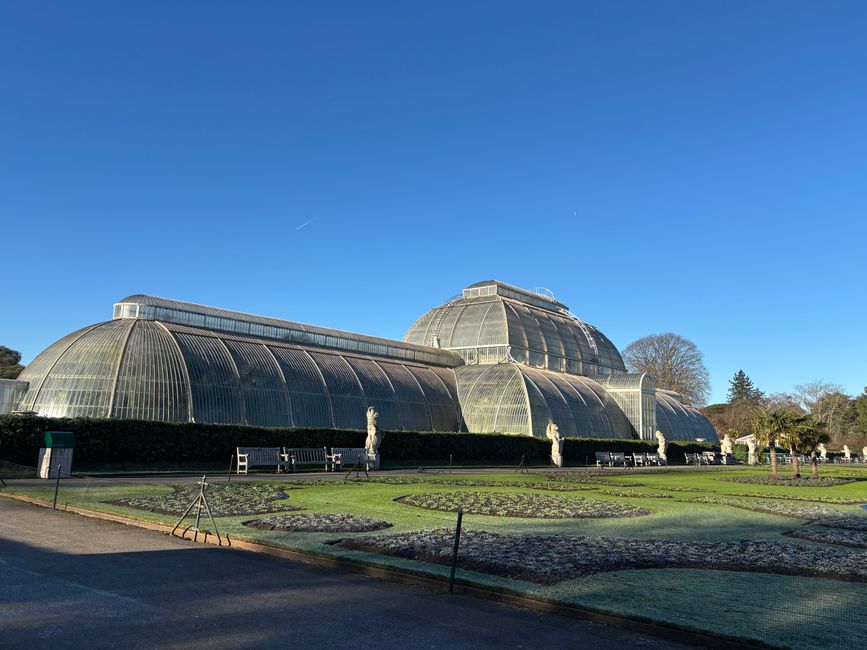
Notable examples include the Royal Botanic Gardens, Kew, which coordinated many colonial gardens, and the Calcutta Botanical Garden in India, which played a central role in the cultivation of tea and cinchona. In the Caribbean, gardens on islands such as St. Vincent and Jamaica facilitated the transfer of breadfruit and other staples. These institutions often employed local laborers and enslaved people, whose knowledge of tropical plants was indispensable but rarely acknowledged in official records.
Acclimatization: Processes and Challenges
Acclimatization was a gradual and uncertain process. Botanists would first collect seeds or seedlings from a source region and transport them under often difficult conditions. Upon arrival, plants were propagated in nurseries and then tested in different soils and microclimates. Records were kept of growth rates, flowering times, and susceptibility to disease. Only after repeated trials would a plant be distributed to farmers or plantations. This empirical approach required patience and adaptability, as many species failed to thrive in new environments.
Several factors influenced the success of acclimatization. Climatic similarity between source and destination was crucial, but so were soil composition, rainfall patterns, and the presence of natural enemies. Human factors, such as the availability of labor and the willingness of local populations to adopt new crops, also mattered. In some cases, acclimatization led to unintended ecological consequences, including the spread of invasive species. The process was never guaranteed, and colonial records are filled with accounts of failed experiments.
Gardeners and botanists developed various techniques to improve outcomes. They used greenhouses, irrigation systems, and shading to mimic native conditions. They also experimented with grafting and hybridization to enhance desirable traits. Knowledge was shared through botanical journals and personal correspondence, creating a transnational community of plant scientists. Despite these efforts, the outcomes of acclimatization were often uneven and heavily dependent on local circumstances.
Economic and Trade Implications
The economic impact of colonial botanical gardens was profound, though not always predictable. By introducing new crops, they helped diversify colonial economies and generate export revenue. For example, the transfer of rubber seedlings from Brazil to Southeast Asia eventually gave rise to a major industry. Similarly, the spread of cinchona, the source of quinine, supported European expansion in tropical regions by providing a treatment for malaria. These developments were not solely the result of garden activities, but gardens provided the initial infrastructure and expertise.
Trade networks expanded as a result of plant transfers. Colonial powers could now cultivate valuable species in multiple locations, reducing the risk of crop failure and breaking foreign monopolies. This led to the emergence of new export commodities and the integration of colonial economies into global markets. However, the benefits were unevenly distributed. While European merchants and plantation owners often profited, local farmers sometimes faced displacement or competition. The environmental costs, such as deforestation and soil exhaustion, were also significant.
The gardens themselves became centers of economic botany, a field that combined scientific study with commercial application. They employed botanists, chemists, and accountants to assess the profitability of different plants. Reports were sent to metropolitan governments, influencing policy decisions on tariffs, land grants, and labor. In this way, botanical gardens were not passive collections but active agents in shaping colonial economies.
Scientific Networks and Knowledge Exchange
Colonial botanical gardens were embedded in extensive scientific networks that spanned continents. Directors corresponded with peers in other colonies and with institutions in Europe, exchanging seeds, specimens, and information. This correspondence often included detailed instructions on cultivation and medicinal uses. The result was a shared body of knowledge that, while Eurocentric in its framing, incorporated contributions from indigenous and enslaved peoples.
These networks also facilitated the publication of floras and manuals that described plants and their properties. Such works were used by physicians, farmers, and administrators. The accumulation of botanical knowledge was thus both a scientific and a practical endeavor. It also reinforced imperial control by cataloging resources and asserting ownership over nature. Herbarium Tales, a project dedicated to exploring plant histories, highlights how these networks operated and their lasting legacies.
The exchange of knowledge was not without tension. Competing empires guarded their botanical secrets, and espionage was not uncommon. Nevertheless, the overall trend was toward greater interconnectivity, with gardens serving as nodes in a global system of plant exchange. This system had lasting effects on agriculture, medicine, and ecology.
Legacies and Contemporary Reflections
The colonial botanical gardens left a complex legacy. Many of the plants they introduced became staples of modern agriculture, while others caused ecological harm. The institutions themselves evolved into national botanical gardens or research centers, continuing to study plant diversity. Their histories are now examined through critical lenses that consider the role of power, exploitation, and indigenous knowledge.
Contemporary botanical gardens often acknowledge their colonial pasts and seek to engage with local communities in more equitable ways. They preserve historical records, including seed lists and correspondence, which are valuable for understanding plant migration. These archives also reveal the labor of enslaved and indigenous people, whose contributions were often omitted from official accounts. By studying these records, researchers can reconstruct a more complete picture of how plants moved around the world.
The rise of botanical gardens in colonial empires thus offers lessons about the intersection of science, commerce, and empire. It shows how plant acclimatization was never a purely technical process but was shaped by economic interests and political agendas. The outcomes were contingent on many factors, including climate, labor, and market demand. Today, as global trade and climate change continue to reshape agriculture, understanding this history can inform discussions about sustainability and biodiversity.