Kew Gardens: From Royal Pleasure Ground to Scientific Powerhouse
Kew Gardens, officially known as the Royal Botanic Gardens, Kew, represents a remarkable journey from a royal pleasure ground to a globally recognized scientific institution. Situated in southwest London, its history spans centuries, reflecting broader shifts in botany, horticulture, and conservation. Initially serving as a private royal estate, Kew evolved through various phases, influenced by monarchs, botanists, and global exploration. This article traces that transformation, examining how a royal garden became a powerhouse for botanical research and plant conservation.
The story of Kew is one of adaptation and expansion. From its early days as a collection of exotic plants for royal amusement, it gradually acquired scientific significance. By the 19th century, Kew had become a center for plant study, aided by technological advances and international networks. Today, it stands as a testament to the enduring importance of botanical knowledge in addressing environmental challenges. Understanding this evolution provides context for current debates on biodiversity and conservation.
Origins as a Royal Pleasure Ground
Kew’s origins lie in the 17th and 18th centuries, when it was part of the royal estates of Richmond and Kew. Early records indicate that the area was used for hunting and leisure by royalty and nobility. In 1731, Frederick, Prince of Wales, leased the land and initiated the creation of a more formal garden. His wife, Princess Augusta, continued this work, establishing a nine-acre botanic garden in 1759. This garden was designed to display a wide variety of plants, including exotics brought from around the world.
The initial purpose of Kew was largely ornamental and experimental. It served as a showcase for the wealth and curiosity of its patrons, who sought to collect and cultivate plants from distant lands. Under the guidance of architects and gardeners like William Chambers and later Joseph Banks, the garden expanded in scope. Banks, who became an unofficial director in 1773, played a pivotal role in transforming Kew into a center for botanical inquiry. He used his global network to acquire specimens and knowledge, setting the stage for Kew’s scientific future.
During this period, Kew remained a private royal garden, not yet a public institution. Its collections were primarily for the enjoyment of the royal family and their guests. However, the scientific potential of the garden was increasingly recognized. The introduction of new plant species and the development of propagation techniques contributed to a growing understanding of plant diversity. This foundational era laid the groundwork for Kew’s later evolution.
Transition to a Scientific Institution
The 19th century marked a crucial shift in Kew’s identity. In 1840, the gardens were transferred from the monarchy to the government, becoming a public institution. This transition was influenced by recommendations from a select committee, which emphasized the scientific and economic value of a national botanic garden. Sir William Jackson Hooker was appointed as the first official director in 1841, and under his leadership, Kew began to formalize its scientific mission.
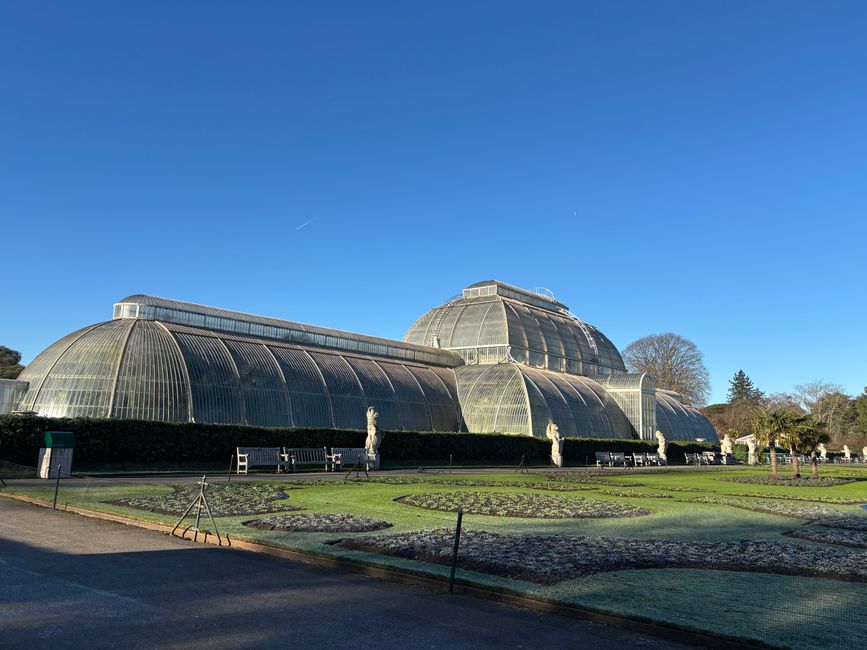
Hooker and his successors, notably his son Joseph Dalton Hooker, expanded Kew’s research capabilities. They established laboratories, a herbarium, and a library, which became essential tools for botanical study. The herbarium, in particular, grew into one of the largest and most significant collections in the world, documenting plant diversity for reference and research. This period also saw the construction of iconic structures like the Palm House and the Temperate House, which allowed for the cultivation of a wider range of species.
Kew’s scientific focus extended beyond taxonomy and systematics to include economic botany. Researchers explored the potential uses of plants for medicine, agriculture, and industry. For instance, Kew played a role in the global distribution of rubber and cinchona, which had significant economic implications. These activities demonstrate how a former royal pleasure ground was repurposed to serve broader societal needs through science.
Global Networks and Plant Exploration
A key factor in Kew’s rise as a scientific powerhouse was its extensive global network. Through correspondence and expeditions, Kew collaborated with botanists, collectors, and institutions worldwide. This exchange of knowledge and specimens enriched its collections and facilitated research on a global scale. Kew’s botanists traveled to diverse regions, from the tropics to temperate zones, documenting flora and collecting seeds for study and cultivation.
These explorations often had practical objectives, such as identifying plants with economic potential or assessing the impacts of human activity on ecosystems. The information gathered was shared through publications and correspondence, contributing to the international body of botanical knowledge. Kew’s role as a hub for plant information made it a central node in the emerging field of global botany. This interconnectedness also allowed Kew to influence conservation practices by highlighting the importance of preserving plant diversity.
However, this period also reflects the complex legacy of colonial botany. While Kew advanced scientific understanding, its activities were intertwined with imperial interests and economic exploitation. Acknowledging this history is part of a comprehensive understanding of Kew’s evolution. Today, Kew continues to grapple with these legacies while focusing on contemporary conservation challenges.
Modern Research and Conservation Focus
In the 20th and 21st centuries, Kew has solidified its reputation as a leading center for botanical research and conservation. Its scientific programs encompass taxonomy, ecology, genetics, and conservation biology. The Millennium Seed Bank, established in 2000, exemplifies Kew’s commitment to preserving plant diversity by storing seeds from wild species as a safeguard against extinction. This facility collaborates with partners worldwide to collect and conserve seeds, particularly from threatened habitats.
Kew’s research addresses pressing global issues such as climate change, habitat loss, and sustainable resource management. Scientists at Kew use advanced techniques to study plant evolution, identify new species, and develop conservation strategies. The institution also provides training and education, building capacity in botany and conservation across the globe. Through its public gardens and outreach programs, Kew engages millions of visitors each year, fostering appreciation for plants and the environment.
Conservation at Kew involves not only preserving species but also restoring ecosystems. Projects focus on reintroducing rare plants, managing invasive species, and promoting sustainable practices. The integration of research with on-the-ground conservation efforts demonstrates how a historic garden has adapted to address contemporary environmental challenges. This ongoing work relies on collaboration with governments, NGOs, and local communities, reflecting the multifaceted nature of modern conservation.
Challenges and Future Directions
Despite its achievements, Kew faces ongoing challenges. Funding constraints, political pressures, and environmental uncertainties pose risks to its operations and mission. The institution must balance scientific research, public engagement, and conservation goals while navigating these complexities. Additionally, ethical considerations around plant collecting and benefit-sharing require careful attention in a changing global landscape.
Looking ahead, Kew aims to expand its impact through innovation and partnership. Digital technologies, such as data analytics and imaging, offer new ways to study and share botanical information. Initiatives like the Plants of the World Online portal make Kew’s data accessible to researchers and the public. By embracing these tools, Kew continues to evolve as a scientific powerhouse, building on its historical foundations.
The transformation of Kew from a royal pleasure ground to a scientific institution illustrates the dynamic relationship between society and botany. It underscores the importance of adapting to new knowledge and societal needs. For those interested in botanical history, stories of exploration and discovery, resources like Herbarium Tales offer deeper insights into the people and plants that shaped institutions like Kew. As Kew moves forward, its legacy as a center for plant research and conservation remains central to its identity.