How Herbarium Specimens Revolutionized Plant Study
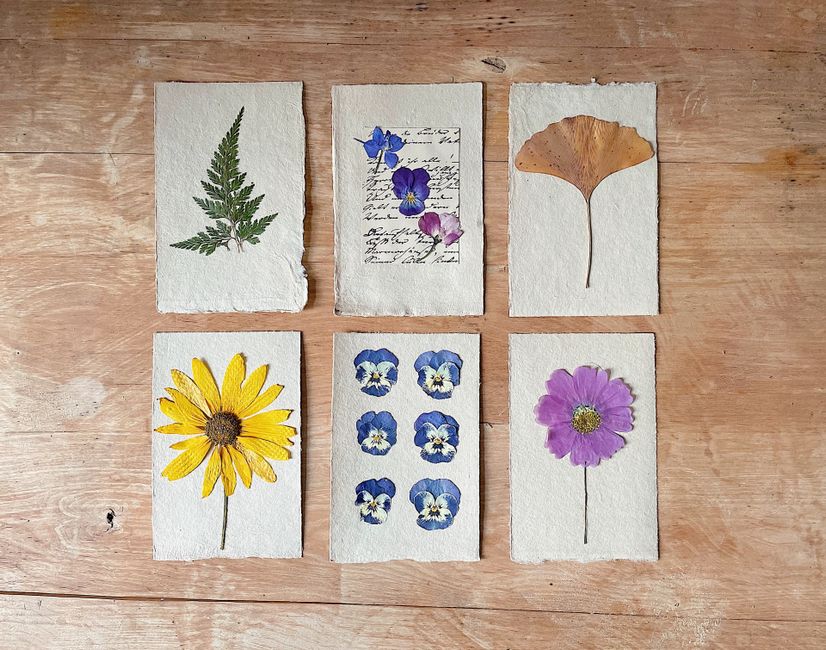
Herbarium specimens are preserved plant samples, typically dried and mounted on archival paper, that serve as permanent records of botanical diversity. These collections, housed in herbaria worldwide, have accumulated over centuries and now form extensive libraries of plant life. They are not merely dried plants; each specimen carries a wealth of information about morphology, phenology, and location, making them invaluable for scientific inquiry.
The practice of creating herbaria dates back to the 16th century, when early botanists began systematically drying and preserving plants for study. Over time, these collections grew into organized repositories that facilitated comparative research. Today, herbaria are maintained by universities, botanical gardens, and museums, and they continue to be essential resources for understanding plant diversity and distribution.
This article explores how herbarium specimens have revolutionized plant study, focusing on their roles in taxonomy, distribution mapping, and biodiversity research. It examines the methodologies involved and the ways these collections support ongoing scientific work. The story of herbaria is one of careful documentation and collaborative effort, revealing how preserved plants contribute to our knowledge of the natural world.
Foundations of Taxonomy and Systematics
Taxonomy, the science of naming and classifying organisms, relies heavily on herbarium specimens as primary reference materials. When a new species is described, a type specimen is designated and deposited in a herbarium, serving as the definitive example for that species. This practice ensures stability in nomenclature, as researchers can compare unknown plants against these authenticated specimens to confirm identifications. Without such references, the consistency of plant names would be difficult to maintain.
Systematic botanists use herbarium specimens to study morphological variation within and between species. By examining multiple specimens collected across different regions and seasons, they can assess the range of variation and determine whether observed differences represent distinct taxa or simply natural variability. This comparative approach is fundamental to delimiting species boundaries and understanding evolutionary relationships. The accumulation of specimens over time allows for robust analyses that consider geographic and ecological context.
In addition to traditional morphological studies, herbarium specimens now support molecular phylogenetic research. Advances in DNA extraction techniques have enabled scientists to recover genetic material from preserved plants, even those collected decades or centuries ago. This has opened new avenues for resolving taxonomic questions and reconstructing evolutionary histories. Herbaria thus serve as repositories of genetic information, bridging historical collections with modern genomic tools.
Herbarium specimens provide a tangible link to past botanical explorations and a foundation for future discoveries.
The work of taxonomists and systematists depends on access to well-curated herbarium collections. Proper documentation, including collection locality, date, and collector, enhances the value of each specimen. Herbaria such as those maintained by Herbarium Tales exemplify the careful stewardship required to preserve these resources for generations. Through their efforts, the scientific community can continue to refine plant classifications and deepen our understanding of plant diversity.
Mapping Plant Distribution and Biogeography
Herbarium specimens are indispensable for mapping the geographic distribution of plant species. Each specimen label typically includes location data, often with coordinates or detailed descriptions, allowing researchers to plot occurrences on maps. By aggregating these records, botanists can visualize species ranges, identify patterns of endemism, and track changes over time. This approach, known as distribution mapping, is a cornerstone of biogeography and conservation planning.
The process of georeferencing herbarium specimens involves assigning geographic coordinates to collection localities, often using historical maps and gazetteers. This work enables the integration of specimen data into geographic information systems (GIS) for spatial analysis. Researchers can then model species distributions, assess habitat preferences, and predict potential shifts under environmental change. Such analyses are crucial for identifying areas of high conservation priority and for understanding the ecological requirements of plants.
- Documenting historical occurrences to establish baseline distributions.
- Detecting range expansions or contractions in response to environmental factors.
- Identifying gaps in collection coverage that warrant further exploration.
- Supporting ecological niche modeling and climate change research.
Distribution maps generated from herbarium data have revealed important insights into plant biogeography. For example, they have helped identify migration routes, refugia during glacial periods, and centers of diversity. They also highlight the impact of human activities, such as habitat fragmentation and introduction of invasive species. By comparing historical and current distributions, scientists can infer long-term trends and inform management strategies.
However, the use of herbarium specimens for distribution mapping requires careful consideration of sampling biases. Collections may be uneven, with some areas or taxa underrepresented due to historical collecting practices. Researchers must therefore critically evaluate data quality and complement specimen records with field surveys when possible. Despite these limitations, herbarium collections remain a primary source of distributional information for many plant groups.
Understanding Biodiversity and Ecological Interactions
Herbarium specimens offer a window into biodiversity, capturing not only the plants themselves but also associated organisms and ecological interactions. For instance, specimens may include evidence of herbivory, fungal infections, or symbiotic relationships, providing insights into the ecology of the species at the time of collection. These observations are valuable for reconstructing ecological networks and understanding the roles of plants in ecosystems.
Phenological data, such as flowering and fruiting times, can be extracted from herbarium specimens to study plant life cycles. By analyzing specimens collected over many years, researchers can detect shifts in phenology that may be linked to climate variability. Such studies contribute to our understanding of how plants respond to environmental changes and can inform predictions about future ecosystem dynamics. The long-term perspective offered by herbaria is particularly valuable for detecting gradual trends.
Biodiversity assessments often rely on herbarium records to inventory species richness and endemism. These collections document the occurrence of rare and threatened species, sometimes providing the only evidence of their existence in certain regions. This information is essential for conservation planning, as it helps identify key areas for protection and restoration. Herbaria thus play a direct role in efforts to preserve global plant diversity.
- Documenting species occurrences for IUCN Red List assessments.
- Identifying hotspots of plant diversity for conservation prioritization.
- Tracking the spread of invasive species and their impacts.
- Studying host-parasite interactions through preserved specimens.
In addition to plants, herbaria can preserve associated organisms such as insects, fungi, and lichens, either incidentally or as part of dedicated collections. These specimens provide a more holistic view of biodiversity and enable studies of co-evolution and ecological dependencies. The integration of herbarium data with other biological collections enhances our ability to understand complex ecological systems.
Moreover, herbarium specimens serve as educational tools, inspiring appreciation for plant diversity and the importance of natural history collections. They are used in teaching, exhibitions, and citizen science projects, engaging the public in botanical exploration. By making collections accessible digitally, herbaria like Herbarium Tales broaden their reach and facilitate global collaboration.
Modern Applications and Technological Advances
Technological innovations have expanded the utility of herbarium specimens beyond traditional morphological and distributional studies. Digitization projects have created high-resolution images and associated data for millions of specimens, making them available online to researchers worldwide. This has accelerated research by allowing virtual access to collections that were previously accessible only through physical visits.
Molecular techniques, including DNA sequencing and metabarcoding, have enabled the extraction of genetic information from historical specimens. This has applications in phylogenetics, population genetics, and even in studying environmental DNA from specimen surfaces. Such approaches can reveal cryptic diversity, hybridization events, and evolutionary relationships that were previously difficult to resolve.
Chemical analyses of herbarium specimens can provide data on secondary metabolites, pollutants, and stable isotopes, offering insights into plant physiology and environmental conditions. For example, herbarium specimens have been used to track changes in atmospheric carbon dioxide levels and heavy metal deposition over time. These applications demonstrate the versatility of herbaria as scientific resources.
Data integration platforms, such as the Global Biodiversity Information Facility (GBIF), aggregate herbarium records with other biodiversity data, enabling large-scale analyses. Researchers can query millions of records to address questions about species distributions, phenology, and conservation. The open availability of these data promotes transparency and reproducibility in scientific research.
Despite these advances, challenges remain in the curation and management of herbarium collections. Ensuring data quality, maintaining physical specimens, and securing funding for digitization are ongoing concerns. Collaborative efforts among institutions, such as those facilitated by Herbarium Tales, are essential for addressing these challenges and maximizing the value of herbaria for science and society.
Challenges and Future Directions
Herbarium collections face a range of challenges, from physical deterioration to data accessibility. Specimens are susceptible to damage from pests, humidity, and handling, requiring careful storage and conservation. Many herbaria struggle with limited resources, making it difficult to maintain and expand collections. Addressing these issues is critical for preserving the scientific value of these irreplaceable records.
Another challenge is the taxonomic and geographic bias in many collections, which can affect the conclusions drawn from specimen data. Efforts to fill gaps through targeted collecting and digitization of underrepresented regions are underway. Additionally, the integration of herbarium data with other data sources, such as field observations and remote sensing, can provide a more comprehensive picture of plant diversity.
Ethical considerations also arise, particularly regarding the collection of specimens from sensitive habitats or culturally significant plants. Best practices emphasize sustainable collecting and respect for local knowledge and regulations. Herbaria must navigate these complexities while fulfilling their mission to document and study plant life.
Looking ahead, herbaria are likely to play an increasingly important role in addressing global challenges such as climate change and biodiversity loss. By providing historical baselines and long-term data, they enable researchers to track environmental changes and inform policy decisions. The continued development of digital tools and collaborative networks will enhance the accessibility and impact of herbarium collections.
In conclusion, herbarium specimens have revolutionized plant study by providing tangible evidence of botanical diversity and enabling a wide range of scientific investigations. From taxonomy and distribution mapping to biodiversity assessment and modern molecular analyses, these collections are foundational to our understanding of the plant world. Their preservation and thoughtful use remain a shared responsibility for the scientific community and society at large.